The pH level of cocoa powder it is a chemical parameter that dictates the flavor profile, color intensity, solubility, and reactivity of the ingredient in food manufacturing. In its natural state, the cocoa bean (Theobroma cacao) is inherently acidic due to the fermentation process it undergoes after harvesting. However, through precise industrial interventions specifically the alkalization process this acidity can be manipulated to suit a vast array of commercial applications.
Drawing upon food science literature, including insights from the Journal of Agricultural and Food Chemistry, this article explores the specific pH spectrum of various cocoa powders and their profound impact on end product formulations.
The Cocoa Powder pH Spectrum
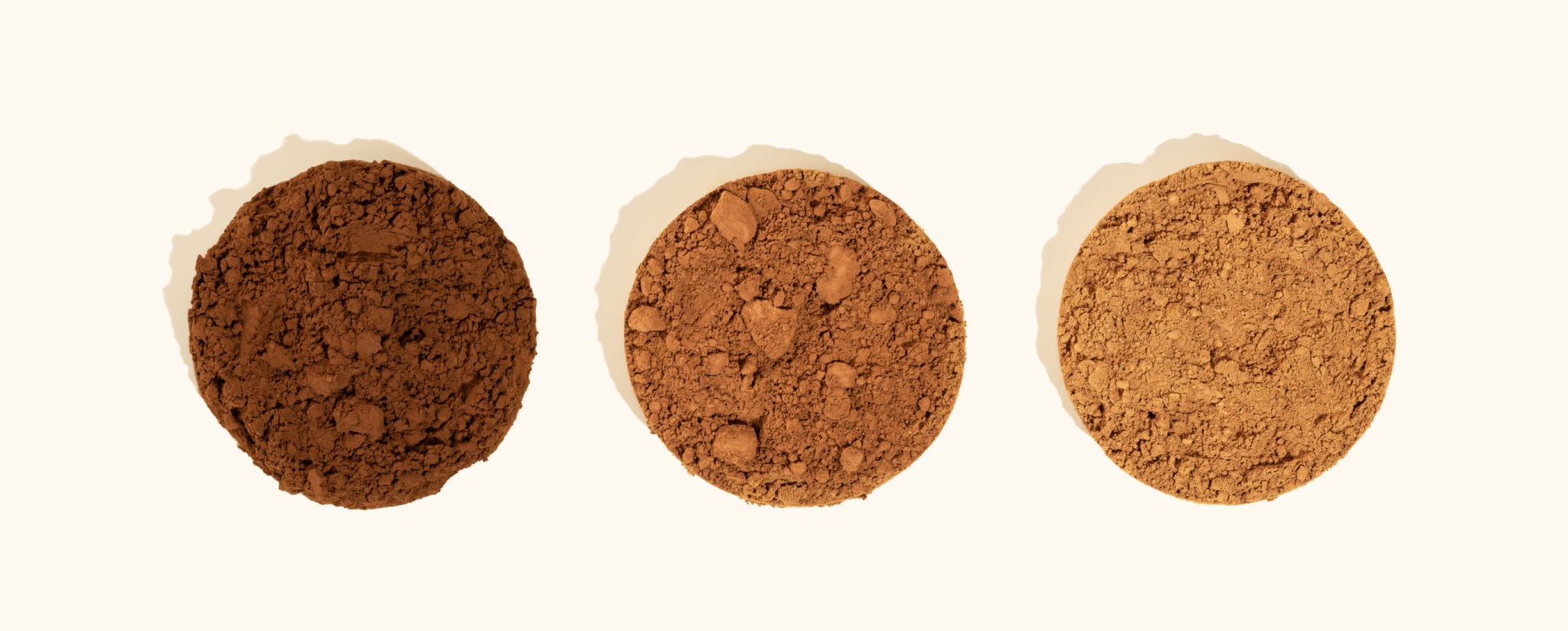
The relationship between the acidity of cocoa powder and its physical attributes is strictly proportional. As the pH level increases (moving from an acidic state toward an alkaline state), the powder undergoes a structural change that darkens its pigmentation and alters its volatile flavor compounds.
| Cocoa Powder Variant | pH Range | Color Characteristics |
| Natural (Non Alkalized) | 5.3 – 5.8 | Pale, light yellowish brown |
| Lightly Alkalized | 6.5 – 7.2 | Warm, reddish brown |
| Medium Alkalized | 7.2 – 7.6 | Deep, dark brown |
| Heavily Alkalized (Black) | 7.6 – 8.1+ | Extremely dark to jet black |
1. Natural Cocoa Powder (pH 5.3 – 5.8)
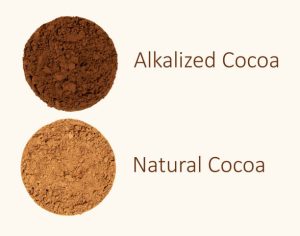
Natural cocoa powder, which is extracted through the traditional Broma process, does not undergo any alkaline treatment. Because it retains the natural biochemical characteristics of fermented and roasted cocoa beans, its pH remains quite low, rendering it highly acidic.
This untreated variant boasts a very complex, sharp, and acidic flavor profile. It often exhibits bright, fruity notes accompanied by a certain level of astringency and the robust, bitter finish characteristic of pure dark chocolate.
In the realm of industrial baking, natural cocoa powder is indispensable for recipes that rely on sodium bicarbonate (baking soda). The inherent acids in the natural cocoa react vigorously with the highly alkaline baking soda. This acid base reaction releases carbon dioxide gas, which becomes trapped in the batter, providing essential lift and a light, airy crumb structure to cakes and pastries. Without an acidic ingredient like natural cocoa powder, baking soda will not activate properly, resulting in dense baked goods with an unpalatable, soapy aftertaste.
2. Alkalized / Dutch Processed Cocoa (pH 6.5 – 7.6)

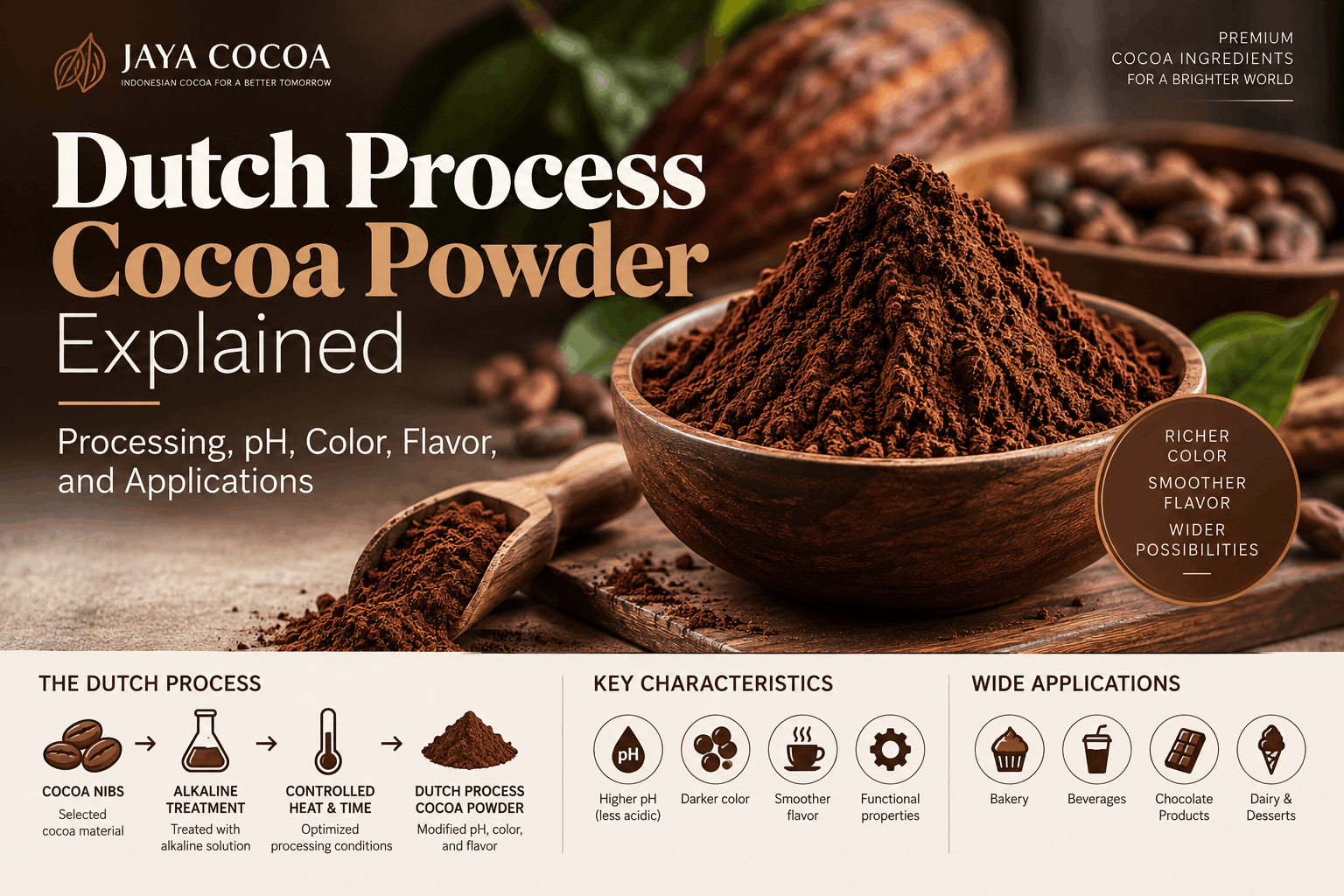
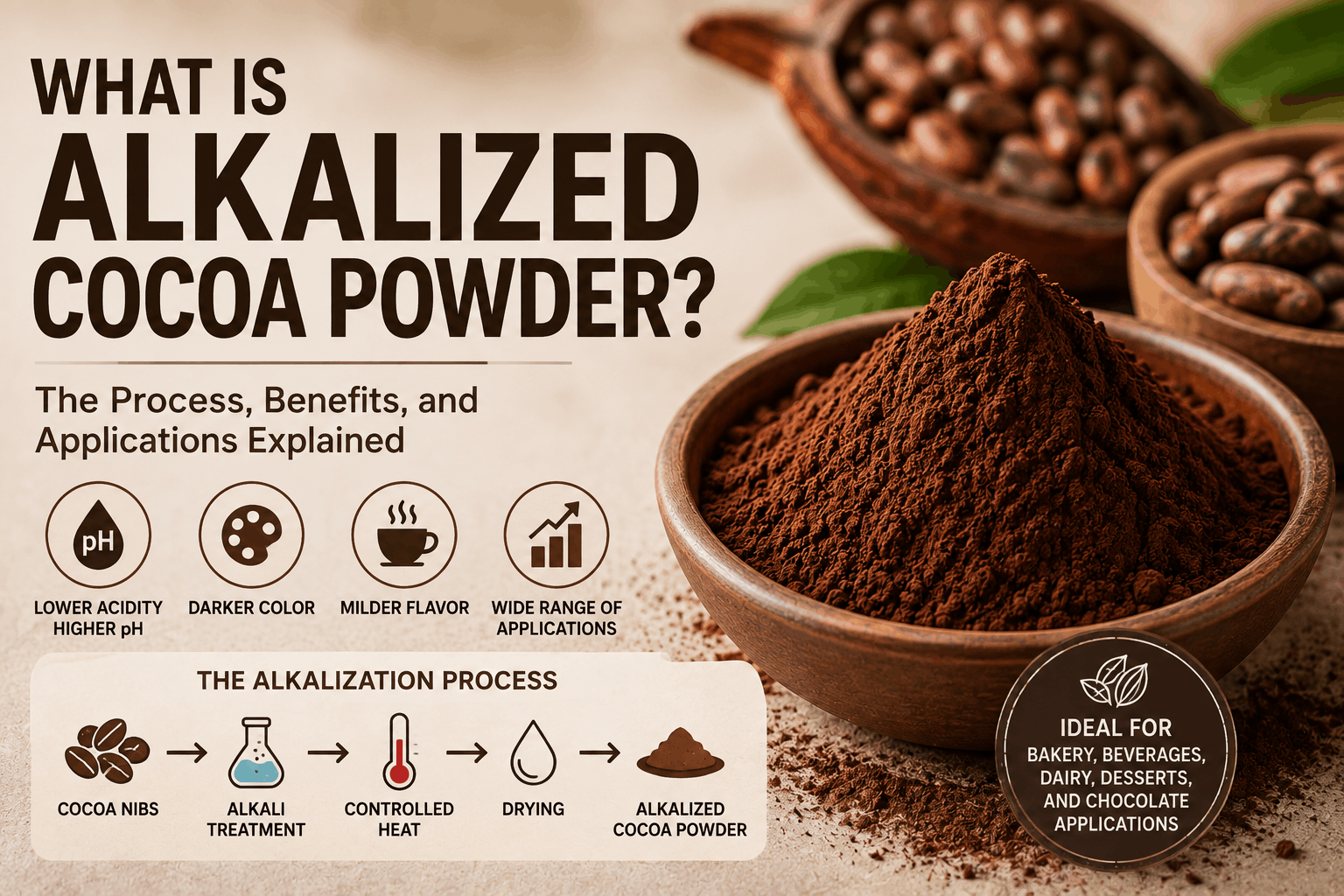
Invented in the 19th century by the Dutch chemist Coenraad Johannes van Houten, the alkalization process (often referred to as “Dutching”) revolutionized the global chocolate industry. This method involves treating cocoa nibs or cocoa liquor with a mild alkaline solution, predominantly potassium carbonate or sometimes sodium carbonate to neutralize the natural organic acids present in the cocoa. The resulting pH shifts upward to a nearly neutral state.
The neutralization of acids fundamentally alters the sensory experience. Dutch processed cocoa delivers a significantly smoother, milder, and more earthy flavor. By removing the sharp acidity, the deep, warm, and classic “chocolatey” notes are brought to the forefront without the astringent bite.
This variant is utilized on a massive scale within the dairy, beverage, and ice cream industries. The alkalization process structurally modifies the cocoa particles, substantially improving their suspension and dispersibility in liquids. In bakery applications, formulating with Dutch processed cocoa requires a strategic adjustment; bakers must use baking powder instead of baking soda. Baking powder is a complete leavening agent containing both a base and an acid, allowing it to activate independently when hydrated and heated, without relying on the neutralized cocoa powder.
3. Heavily Alkalized / Black Cocoa (pH > 7.6)
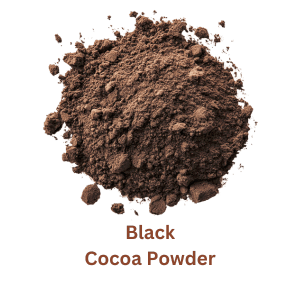
At the farthest end of the alkalization spectrum lies heavily alkalized or “black” cocoa powder, which pushes the pH beyond neutral into a distinctly alkaline territory, often exceeding 7.6 and sometimes reaching upwards of 8.1. The most globally recognized commercial application of this specific ingredient is the iconic Oreo cookie.
The flavor of black cocoa is intensely bold, yet surprisingly non bitter. The extreme alkalization process strips away the typical fruity and chocolatey esters, leaving behind a heavily roasted, almost smoky flavor profile that is completely distinct from natural chocolate.
Black cocoa is primarily leveraged as a natural, highly potent black food coloring for biscuits, wafers, ice cream sandwiches, and compound coatings. Because its fat content is typically drastically reduced and its flavor is exceptionally concentrated, it is rarely used as a standalone ingredient. Food technologists often blend black cocoa with medium alkalized cocoa powder to achieve a perfectly balanced dark aesthetic alongside a rich, palatable chocolate flavor.
How Cocoa Powder pH Affects Flavanols
While the alkalization process offers tremendous advantages in terms of color enhancement, flavor smoothing, and liquid solubility, it comes with a significant nutritional trade off. Natural cocoa powder is celebrated for its exceptionally high concentration of polyphenols, specifically flavanols, which serve as powerful dietary antioxidants.
Biochemically, flavanols are highly sensitive to alkaline environments. As the pH of the cocoa powder is artificially raised through the addition of alkali agents, the structural integrity of these antioxidants is severely compromised. Scientific analyses indicate that lightly alkalized cocoa retains a moderate percentage of its original flavanols, but heavily alkalized black cocoa suffers a massive depletion of these beneficial compounds due to extreme oxidation. Therefore, food manufacturers developing “health focused” or “functional” superfood products must strictly prioritize natural cocoa powder to maintain legitimate nutritional claims regarding antioxidant levels.
Achieving the perfect balance of flavor, color, and stability requires a cocoa partner who understands the intricate science behind every batch.
As a trusted supplier from one of the world’s leading cocoa origins, Jaya Cocoa delivers premium grade natural and tailored alkalized cocoa powders engineered to meet your exact industrial specifications. Let’s co create the ideal profile for your brand.
Also read: Why Every Cocoa Powder Importer Chooses Indonesia?
Frequently Asked Questions (FAQ)
1. What is the difference between natural and Dutch processed cocoa powder?
Natural cocoa is untreated, highly acidic (pH 5.3–5.8), light in color, and sharp in flavor. Dutch processed cocoa is treated with an alkaline solution to neutralize its acidity (pH 6.5–7.6), resulting in a darker color, milder taste, and better solubility.
2. Can I substitute natural cocoa with Dutch processed cocoa in baking?
Not directly if the recipe uses baking soda. Natural cocoa is acidic and activates baking soda. If you switch to neutral Dutch cocoa, you must replace the baking soda with baking powder to ensure the dough rises properly.
3. Why does alkalization lower the antioxidant levels in cocoa?
Alkaline agents raise the pH and alter the chemical environment. Combined with heat, this environment oxidizes and destroys sensitive polyphenols specifically flavanols like epicatechin by up to 60% to 90%.